Raleigh, NC - Research organization RAND released this week its 2026 State of the American Teacher Pay report. The annual study surveys hundreds of public school teachers nationwide and examines educators’ well-being, compensation, and intentions to remain in or leave the profession.
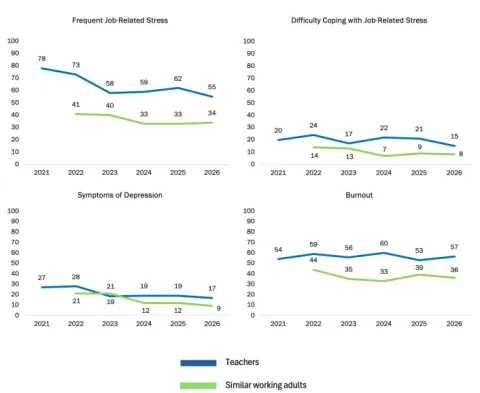
According to the report, teachers are more likely than comparable working adults to report poor well-being. Educators reported higher levels of job-related stress, difficulty coping with stress, depression, and burnout. In North Carolina, these findings reflect the challenges teachers face every day, including low pay, chronic understaffing, and a lack of resources that force educators to do more with less.
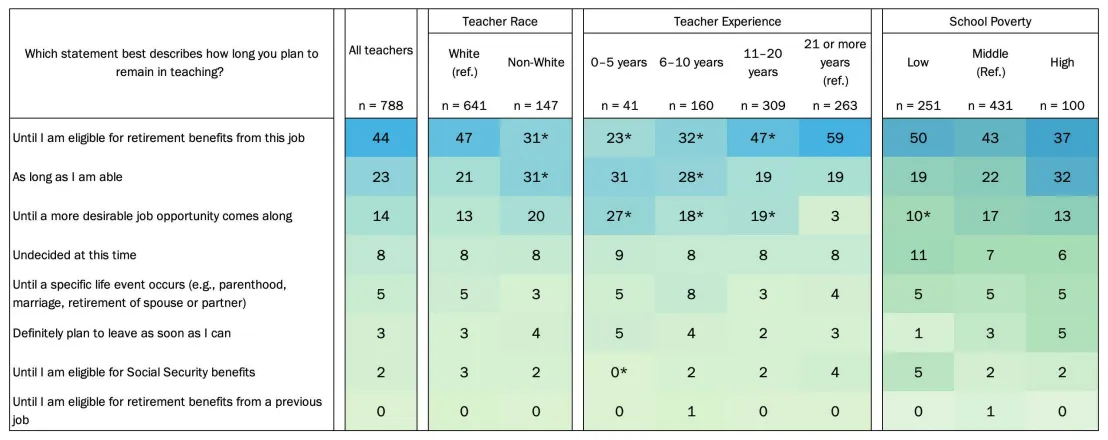
Despite these challenges, nearly 70% of public school teachers said they plan to remain in the profession until they are eligible for retirement benefits or for as long as they are able. Among those intending to stay until retirement eligibility, most were veteran educators with more than 10 years of experience. Early-career teachers with five or fewer years of experience were more likely to say they planned to remain in the profession for as long as they could.
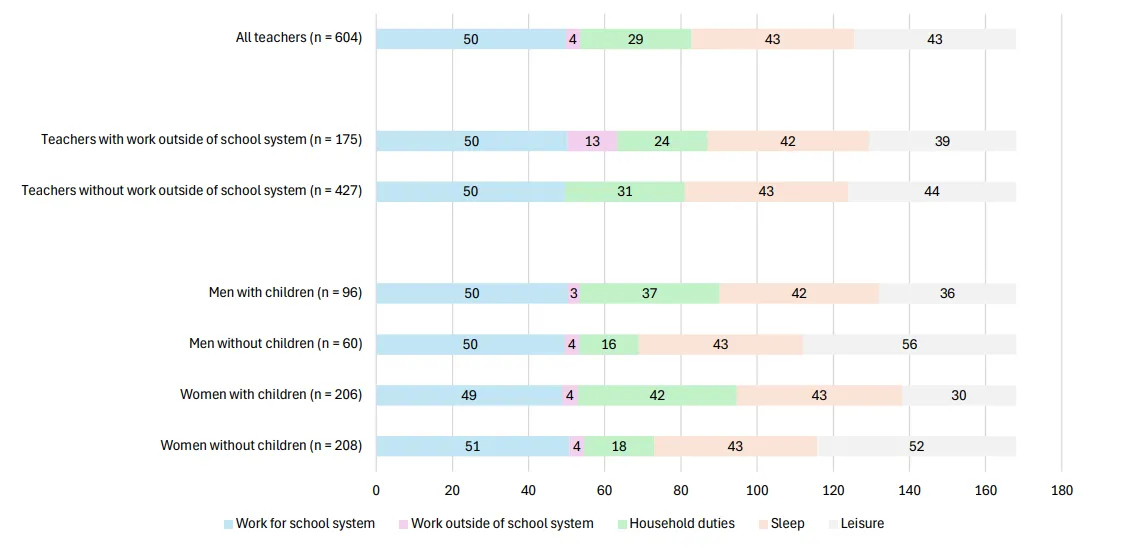
Teachers also reported working an average of 54 hours per week on teaching and other school-related responsibilities. Additionally, nearly 30% of teachers said they work a second job outside of their school system, spending an average of 13 hours per week in that role. The report mirrors the experience of many North Carolina educators, who continue to face some of the lowest pay in the nation. North Carolina currently ranks 46th in average teacher pay, while state lawmakers have failed to provide meaningful salary increases for educators in recent years.
The report found that teachers earn an average base salary of just over $75,000 annually, compared with more than $105,000 for comparable working adults. While both figures exceed North Carolina's average teacher salary of $60,323 reported in the 2026 Educator Pay in America report, the disparity underscores the significant pay gap between teachers and similarly educated professionals.
“The struggles of our public school educators are reflected throughout this report," said Tamika Walker Kelly, President of the North Carolina Association of Educators. "Every day, educators work tirelessly to help our students succeed despite a lack of resources, stagnant pay, and staffing shortages. Many are forced to work multiple jobs just to make ends meet. The report also highlights the dedication of our veteran educators, who continue showing up for North Carolina’s children even after years of being overlooked by lawmakers when it comes to meaningful pay raises and support.”