Two dollars is not a significant amount of money. Two pieces of candy will not satisfy a sweet tooth. However, two years waiting for freedom after nearly 250 years of enslavement is far too long.
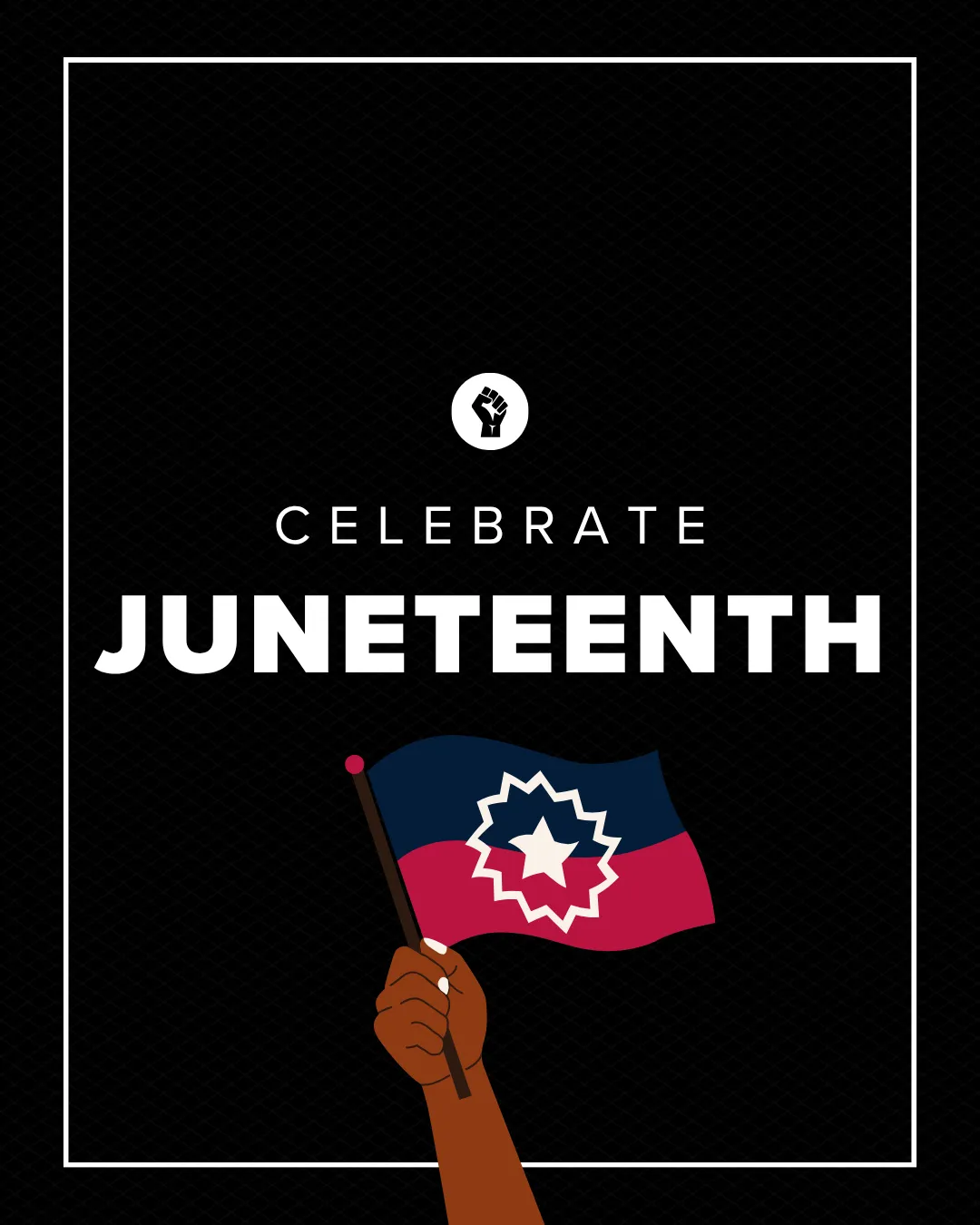
On June 19, 1865, now known as Juneteenth, enslaved people in Galveston, Texas were finally notified of their freedom, more than two years after emancipation had already reached others.
With that freedom came another: education. Most Americans would agree the true path to freedom is the ability and opportunity to learn, and that truth resonates especially in the Black community.
Enslaved people had been deliberately kept from reading and writing because literacy carries power. It offers the chance to recognize your own personhood and to affirm the personhood of others.
As a high school English teacher for 30 years, I have witnessed that moment of recognition many times, when students encounter state-sponsored persecution in "Night" by Elie Wiesel, or the stripping of identity and culture in "Things Fall Apart" by Chinua Achebe. Without the public education system born during Reconstruction, those moments would not exist.
Emancipation revealed a core truth: A functioning democracy cannot exist without universal access to education. The formerly enslaved did not just gain freedom. They defined what freedom means in a modern democracy.
Before Reconstruction, education was largely reserved for the wealthy. Post-Civil War governments changed that. Some states amended their constitutions to establish education as a fundamental right, recognizing that every child deserves access to learning.
Reconstruction's end was violent, dismantling the progress made by those who sought to move the country forward for all. Over the past year, a similar unraveling has taken hold. The U.S. Department of Education has been gutted. Vouchers for private schools are funded over teacher salaries. More than half of Americans read below a sixth-grade level. Those in power understand that widespread access to education threatens their grip on it. A well-educated electorate is a powerful one.
For generations, Black Americans have known that education is the true path to freedom. Through sacrifice, perseverance and loss, Black people have fought for a freedom that everyone could share.
I like to imagine that on June 20, 1865, the newly freed woke with hope and envisioned all the possibilities their lives now held. What I know for certain is this: An equitable public education gives everyone that same chance.