This year, I led my Civic Literacy students through my first novel study in a social studies classroom.
It might seem like a strange choice to read a novel in a high school social studies classroom. Aren’t novels for English class? But Alamance Reads, a program led by our local libraries, presented a unique opportunity to my students.
Each year, community volunteers select a book for our county-wide book study. This year, they selected the book American Queen by Vanessa Miller.
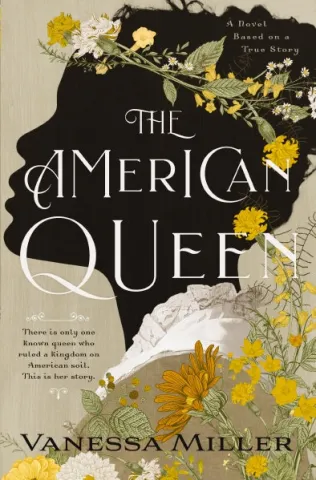
American Queen is a historical fiction novel about the Happy Land, a community of former slaves that arose in western North Carolina. The title of the book, American Queen, refers to Louella Bobo - a black woman born into slavery. After abolition in the late 1800s, Louella led migrants to western North Carolina where she met the widow Serepta Davis. Serepta welcomed these freed people onto her land and eventually sold a portion of it to them. There, Louella served as the Happy Land’s “queen” chosen by its people. The book recounts challenges faced by the migrants, some of them personal and others more political due to events at the time.
In our classroom, we used the novel to touch on a variety of Civic Literacy Essential Standards. There are ways to connect the subject to other social studies classes across grades levels, however, especially across middle and high school. We especially focused on CL.C&G.3.2, which asks us to, “Compare strategies used by individuals to address discrimination, segregation, disenfranchisement, reconcentration, and other discriminatory practices that have existed in the United States.” Throughout their reading, the students identified the strategies used by its characters to respond to the discrimination they encountered, comparing the relative effectiveness of these strategies. We also explored the extent to which the Happy Land society was democratic, despite the fact that they used the language of kings and queens to describe their rulers.
As they read, my students appreciated the humanizing element of the story. They told me that history was good for knowing what happened, but that Vanessa’s story helped them learn “how it felt and what it was like.” I paired our study of the novel with some contextual lessons about the Reconstruction Era in the United States, especially the gains and losses experienced by former slaves during that time. With knowledge of that history, students were also able to engage with CL.C&G.4.6: Critique the extent to which… identity groups have had access to justice as established in the founding principles of government.
With regards to environmental justice, the book serves as an entry point for discussions about race and land ownership. We explored how the land serves as a source of power and liberation for the freepeople - such as providing herbs for Louella’s liniment, oak timber for their houses, and crops for their food. Yet we also explored how the relationship of the Happy Land’s denizens to their land is different from that of a slave on a plantation. Land ownership and food sovereignty are recurring themes throughout the book.
In our classroom, we extended this conversation about race and land ownership by drawing parallels between the Happy Land and the community created by freepeople at Princeville (the first independently governed African American community chartered in the United States, located in NC’s very own Edgecombe County). You can find some of UNC Chapel Hill’s excellent resources for teaching about Princeville here. We also explored the experiences of North Carolina African Americans during reconstruction using similar resources about the Wilmington Coup and also those from PBS. In the end, students in our classroom were able to compare experiences across these three communities - the Happy Land, Princeville, and Wilmington - in terms of similarities and differences.
My students had a unique opportunity to engage with the book due to our Alamance Reads program and the generosity of our local libraries, which provided us with a class set of the books. But even without a class set of books, there are ways you can integrate the story of the Happy Land into your classroom.
Besides Vanessa Miller’s book, there are a variety of free online sources about the Happy Land that you could use to teach students about this vital local history. For example, there is this article from WNC magazine and this one from Our State Magazine. There are also videos available online, such as this episode of History Before Us. Regardless of whether you have access to Vanessa Miller’s wonderful book or not, you can still incorporate the history of the Happy Land into your classroom.
As one of my students noted: it’s a story that needs to be known and shared.
You can read more about my partnership with the Power & Place Collaborative here.